Should You Buy a Ring Camera in 2026?
No.
Not “no, but…”
Not “no, unless…”
Just no (with a polite little bow on top). 🎀
If you’re the kind of person who reads past the “No” anyway, let’s unpack what Ring does well, what it still does very poorly, and when it might still make sense for a tiny slice of humanity.
What Ring gets right (and why people keep buying it)
Ring’s superpower has always been frictionless security: buy the hardware, scan a QR code, and you’re watching your front porch from a grocery store aisle in under 10 minutes.
It’s also an ecosystem, not just a camera. Doorbells, cams, alarms, app features, and Amazon tie-ins tend to “just work” together.
Product highlights (with official images)
Below are a few representative products that show the breadth of the lineup. Images are hotlinked from Ring’s own CDN.
1) Battery Video Doorbell (mainstream classic)
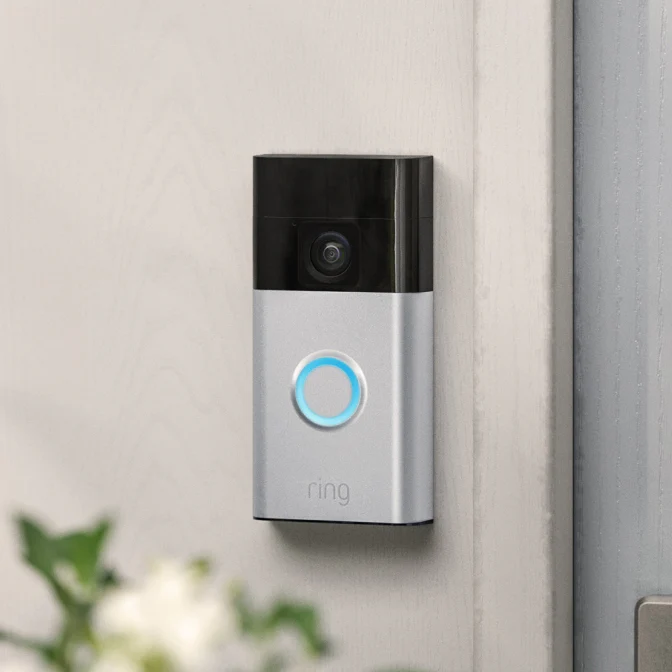
Why it sells: quick DIY install, mobile notifications, two-way talk, and it’s usually priced to move.
2) Outdoor Cam (formerly Stick Up Cam)

Why it sells: flexible placement (battery, wired options), decent app experience, easy add-on for driveways and backyards.
3) Spotlight Cam Pro (newest model, Retinal 4K)
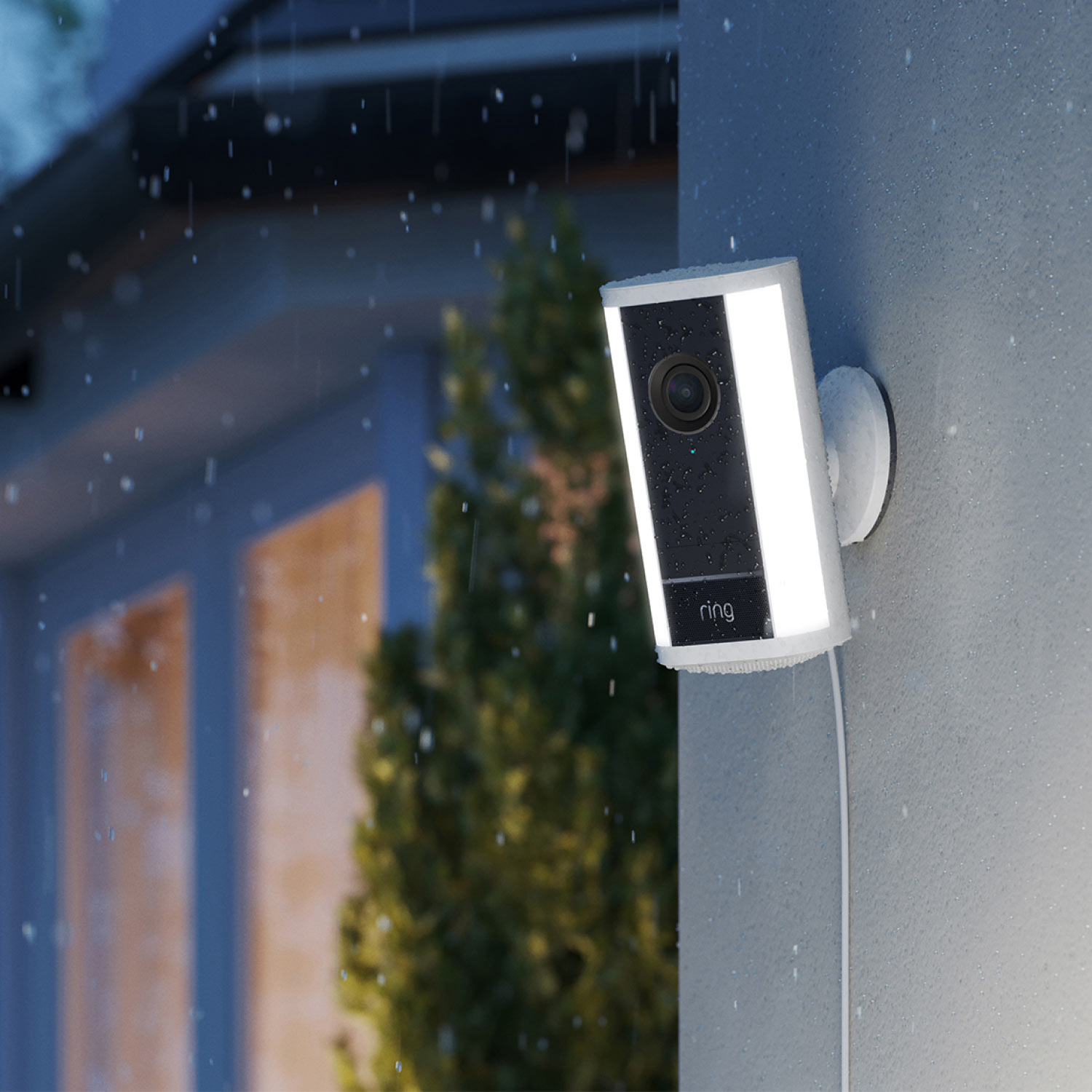
Why it sells: light + camera combo, higher-end detail, siren, and the “make it bright when something moves” vibe.
4) Ring Alarm Keypad (for the alarm system)
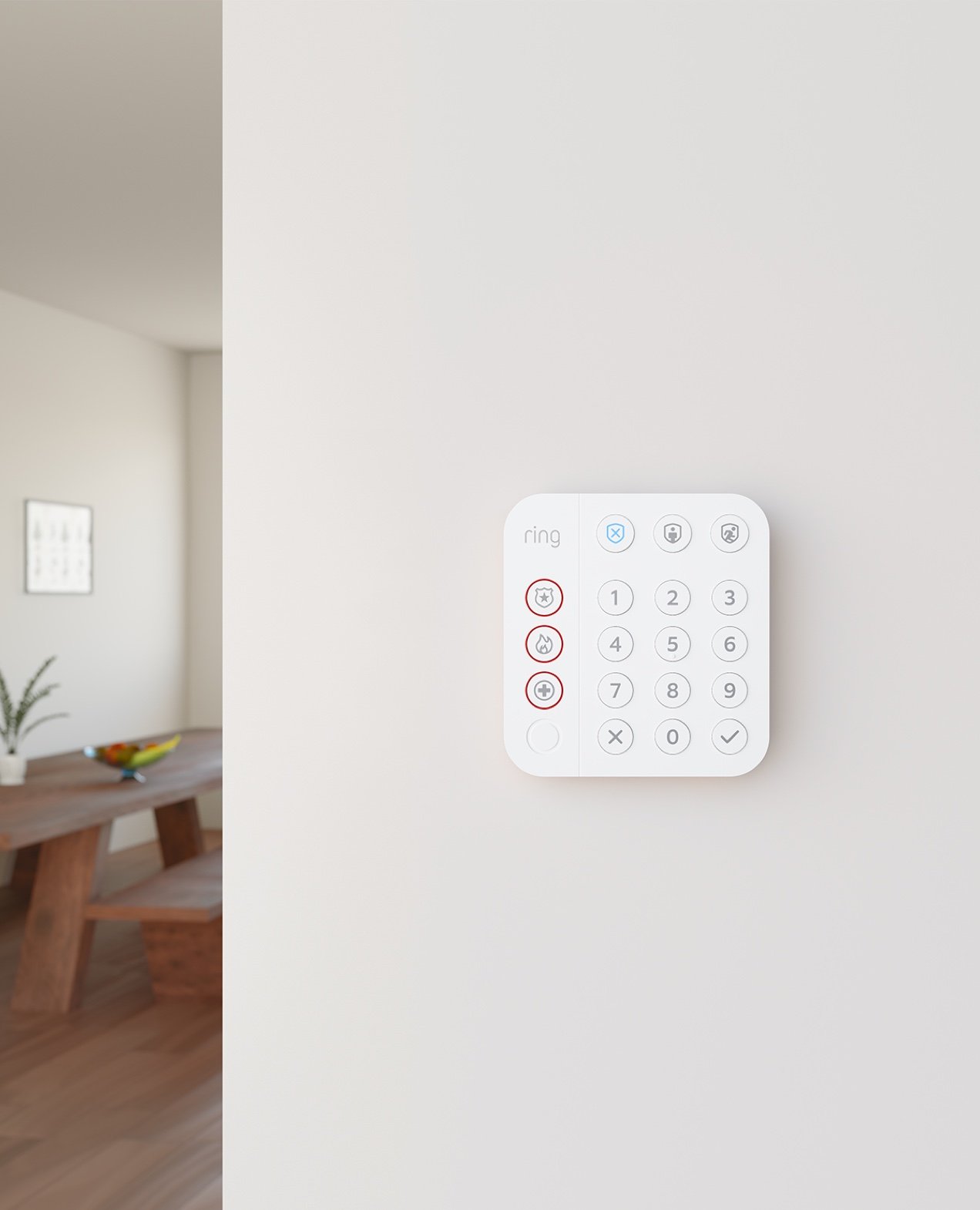
Why it sells: a familiar “security panel” experience, without needing a pro-installed system.
The big trade: Ring is a cloud service that happens to include cameras
If you want Ring to feel like Ring, you’re typically signing up for recurring subscription features: cloud recording, longer event history, advanced alerts, and various “smart” add-ons.
Ring’s plans and naming have also continued to evolve, including plan rename and transitions starting January 14, 2026.
See: Ring subscription plans and Ring plan changes notice.
What happens if you don’t pay?
Ring devices still function, but the experience becomes more “live peephole” than “security system.” In practice, most buyers want:
- video history (not just live view)
- export/share clips
- smart detection and alerting that isn’t a constant false-alarm festival
Those are the exact things subscriptions tend to unlock. See the plan breakdown: Ring Protect / Ring Home plans.
Cloud dependency: the Internet is now part of your security perimeter
A Ring setup can be very good when your Wi-Fi and internet are stable.
But the moment the internet drops, the question becomes:
“Does my security still work the way I think it does?”
Ring does offer Video End-to-End Encryption (E2EE), but it’s optional and comes with meaningful feature tradeoffs.
See: Ring end-to-end encryption overview.
If your home security goals include:
- recording even if your ISP is down
- keeping footage local by default
- avoiding cloud accounts as a single point of failure
…Ring is fighting your requirements, not serving them.
The privacy and security track record (this is where the “No” starts doing pushups)
Ring has faced major criticism and regulatory action over privacy and security issues, including an FTC settlement and customer refunds connected to allegations about improper access to private videos and security weaknesses.
Example coverage: AP via PBS.
Even if you believe “that was then,” the bigger point remains:
When your cameras are part of a cloud platform, the privacy and security story is not just about the device on your wall. It’s about policies, access controls, third-party tooling, law enforcement workflows, and future product decisions you don’t get to vote on.
“Neighborhood safety” features and law enforcement requests
Ring’s Neighbors app and related programs have long been controversial because they sit at the intersection of private cameras and public policing.
Ring has shut down or altered specific police-request mechanisms over time, but the broader “request footage from users” concept keeps resurfacing in new forms:
- Ring discontinued its police “Request for Assistance” tool in the Neighbors app after sustained criticism.
Source: Wired - Amazon also reversed course on giving police an “easy” direct request tool (while still allowing other request paths).
Source: TechCrunch - Ring announced a partnership with Flock Safety, enabling police agencies using Flock platforms to request video through Ring’s Community Request program in the Neighbors app.
Sources: The Verge and Flock Safety announcement.
If your camera system is meant to reduce how much of your life becomes “ambient public data,” this direction is… not that.
Amazon Sidewalk: “shared network” energy you might not have asked for
Amazon Sidewalk is a shared network intended to help compatible devices stay connected, simplify setup, and support things like finding items. Amazon also provides instructions for enabling or disabling it.
- Overview: Amazon Sidewalk on Wikipedia
- Controls: Amazon help: Manage Sidewalk
Ring has also marketed sensors that connect to Amazon Sidewalk “out of the box.”
See Ring’s own announcements page section describing Sidewalk-enabled sensors: https://ring.com/announcements
You might love Sidewalk. You might hate it.
But it’s one more example of the modern Ring posture: you’re buying into an Amazon connectivity fabric, not a simple, locally-contained camera.
So… when could Ring still make sense?
Let’s be brutally fair.
Ring might work for you if:
- you have no concerns whatsoever about personal, family, or neighbor privacy
- you’re comfortable paying a subscription indefinitely
- your home internet is stable and you’re fine with cloud dependency
- you want plug-and-play convenience over system ownership
- you’re okay with your vendor making future policy and partnership decisions you don’t control
If that’s your checklist, Ring can be a cost-effective and easy on-ramp.
Why I still wouldn’t consider Ring in 2026
Because in 2026, the market is packed with options that deliver comparable or better video quality with:
- local storage as a first-class feature
- stronger “no cloud required” workflows
- less ecosystem entanglement
- better alignment with privacy-first home security principles
If you care about local control and privacy, your shortlist should tilt toward ecosystems and setups that:
- record locally by default (NVR, NAS, or on-prem server)
- keep footage inside your home network
- expose integrations to tools like Home Assistant without cloud gatekeeping
Ring is built around the opposite posture.
Conclusion
If you have no concerns whatsoever about your personal, family, or neighbors’ privacy, don’t mind paying a subscription, don’t mind relying on an internet connection, and you want a plug-and-play cost effective solution, then Ring might work for you.
But I would not even consider it in 2026 when there are so many better comparable solutions.